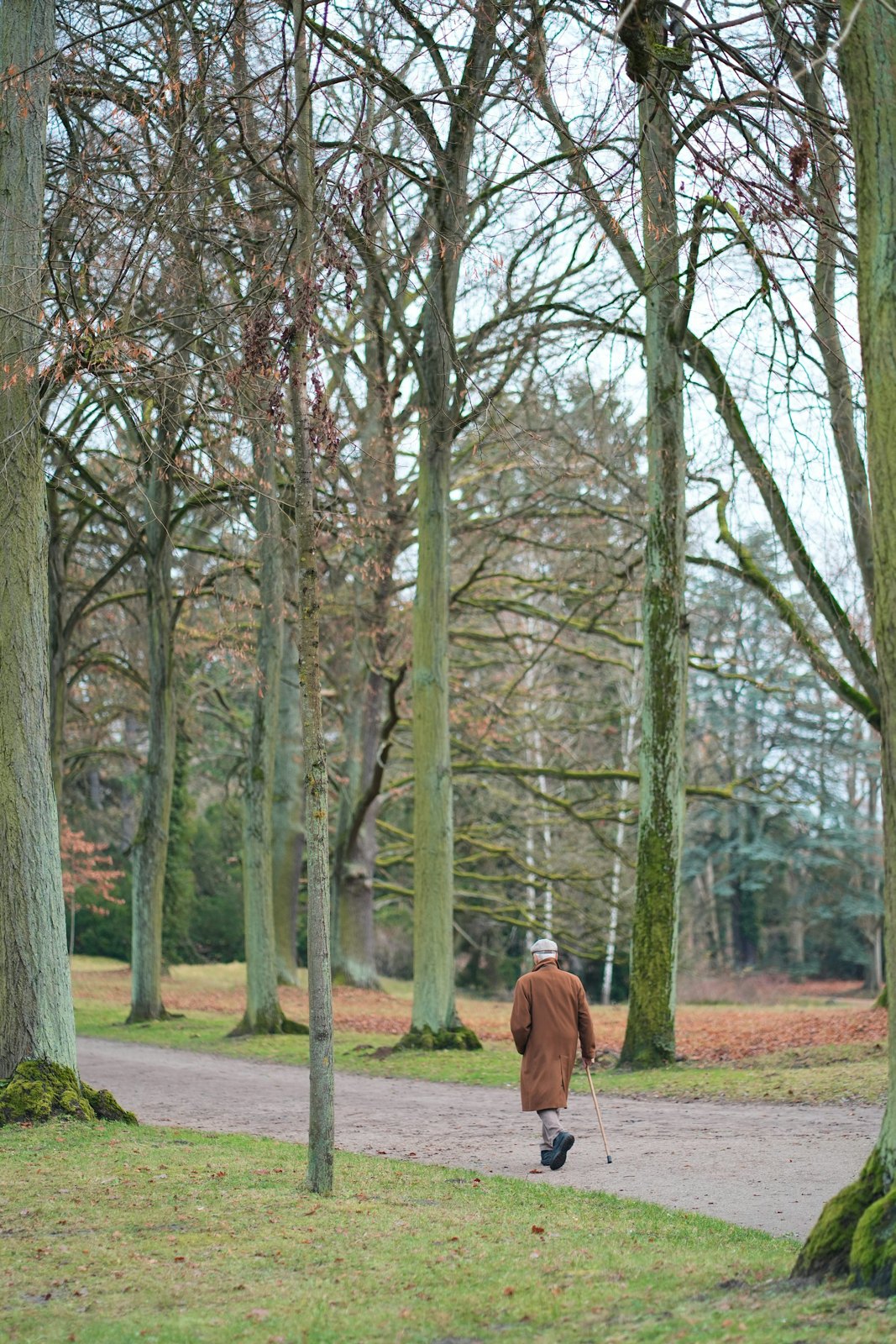
A Walking Meeting Works Best When the Route Fits the Conversation

Some conversations do not need a screen. A short check-in or informal discussion may work as a walking meeting, provided everyone wants to participate and the route suits their mobility. Offer a seated alternative without asking anyone to explain a disability or health concern.
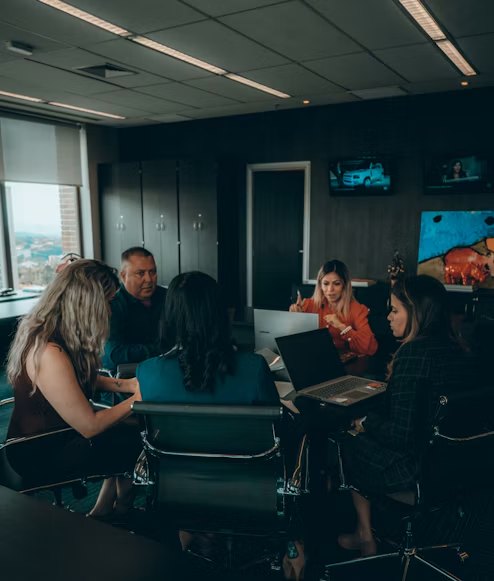
Choose a quiet, familiar place where people can hear one another. Avoid traffic crossings during complicated discussion, and keep confidential conversations out of public earshot. A meeting that needs diagrams, detailed notes, or secure documents may be better held at a desk.
Agree on the purpose and a short duration before leaving. For example, use a ten-minute loop to identify the next step on a project, then record the decision when you return. The walk should support the conversation rather than create a second task.
CDC describes physical activity as beneficial to adult health. That does not mean every meeting should become exercise. Use the option when it is practical, accessible, and comfortable for the group; ordinary movement can be valuable without becoming a competition.
Offer a seated version of the same conversation
Ask whether everyone would like a walking discussion before making it the default. Suggest an equally valid seated alternative and choose a route that suits participants. Accessibility is part of planning the meeting, not a personal explanation someone should have to provide in front of colleagues.
A practical next step
Identify one decision the meeting should produce and where it will be recorded afterward. Keep sensitive discussion out of public earshot. If the conversation requires a screen, detailed documents, or a secure room, use that setting and look for a different opportunity to move.
Before making the decision, use the following points to identify missing information. Record an answer or a follow-up question for each one rather than treating an unknown detail as settled.
- Voluntary and accessible participation.
- Quiet and appropriate route.
- One purpose and short duration.
- Decision recorded after returning.
How do I prevent a walking meeting from becoming a longer meeting?
Agree on a short route and purpose in advance. Summarize the action when you return instead of repeating the whole discussion at a desk. If the format makes communication harder, change it; movement should support the meeting rather than become another obligation.
Keep the decision in context
Treat these ideas as ways to notice suitable opportunities for movement, not as promises of effortless results. Adapt the setting and effort to your abilities and circumstances. A small experiment can help establish a routine, while a balanced activity plan may need more than one type of movement. Ask a qualified professional when a health condition or limitation calls for individualized guidance.
Source: CDC: Health Benefits of Physical Activity for Adults. This guide offers general information; individual health needs should be discussed with a qualified clinician.