Shop for the Week You Will Actually Have
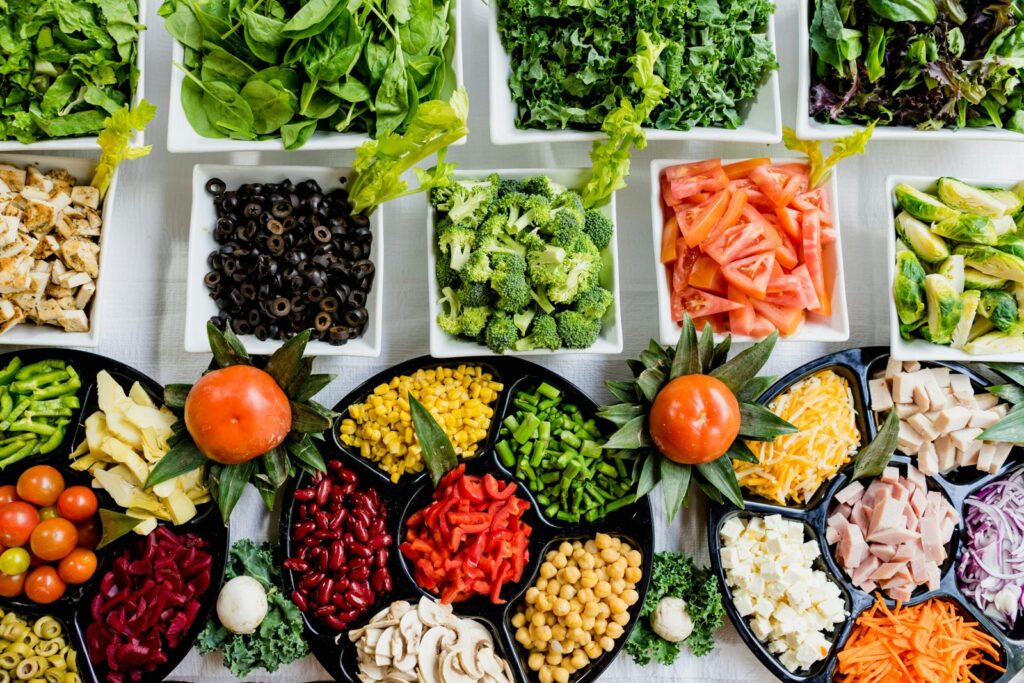
A shopping basket can reflect the week you wish you had: elaborate breakfasts, fresh lunches, and a different dinner every night. A more useful list reflects your actual calendar. Count the evenings you will be home and the meals you need to take with you.
Choose a few ingredients that can work in more than one meal. Keep a convenient fallback for a late return or canceled plan. Compare package sizes with how much your household usually uses, because an inexpensive bulk purchase is not good value if most of it spoils.
Before shopping, look through the refrigerator and cupboards. Write down what needs using first and build one meal around it. This turns the list into a plan for existing food, rather than another collection of unrelated purchases.
NIDDK guidance on changing health habits encourages practical planning and problem solving. Treat the first list as a draft: after the week ends, note which foods were eaten and which were left behind. Those observations can make the next shop simpler and more realistic.
Check the calendar before the basket
Suppose three evenings involve late work or travel. Planning three complicated dinners for those days may create food waste rather than a better routine. Match shopping to the meals you will actually prepare and the people who will eat them, with a simple alternative when plans move.
A practical next step
Check what is already available and choose one meal that uses items needing attention. Write down the missing ingredients and quantities. After the week, review unused purchases and adjust the next list; that record gives you a better guide than an idealized shopping plan.
Before making the decision, use the following points to identify missing information. Record an answer or a follow-up question for each one rather than treating an unknown detail as settled.
- Actual meals and household schedule.
- Food already available.
- Quantities and suitable storage.
- Convenient fallback and unused purchases.
Should I buy the larger pack because its unit price is lower?
Consider how much your household will use and whether you can store the rest appropriately. The cheaper unit price is not the whole decision if a large part goes unused. Compare practical quantities, available storage, and planned meals before deciding the larger purchase is better value.
Keep the decision in context
Make changes around foods, time, storage, preferences, and resources you actually have. A workable routine should survive an ordinary busy day, not depend on ideal preparation. Review what you eat and use rather than judging the plan by a photograph. Allergies, medical eating plans, and persistent concerns deserve individualized advice from an appropriately qualified professional.
Source: NIDDK: Changing Your Habits for Better Health. This guide offers general information; individual health needs should be discussed with a qualified clinician.