A Pre-Purchase Inspection Can Change the Used-Car Conversation
Consumer explainer | Used Cars
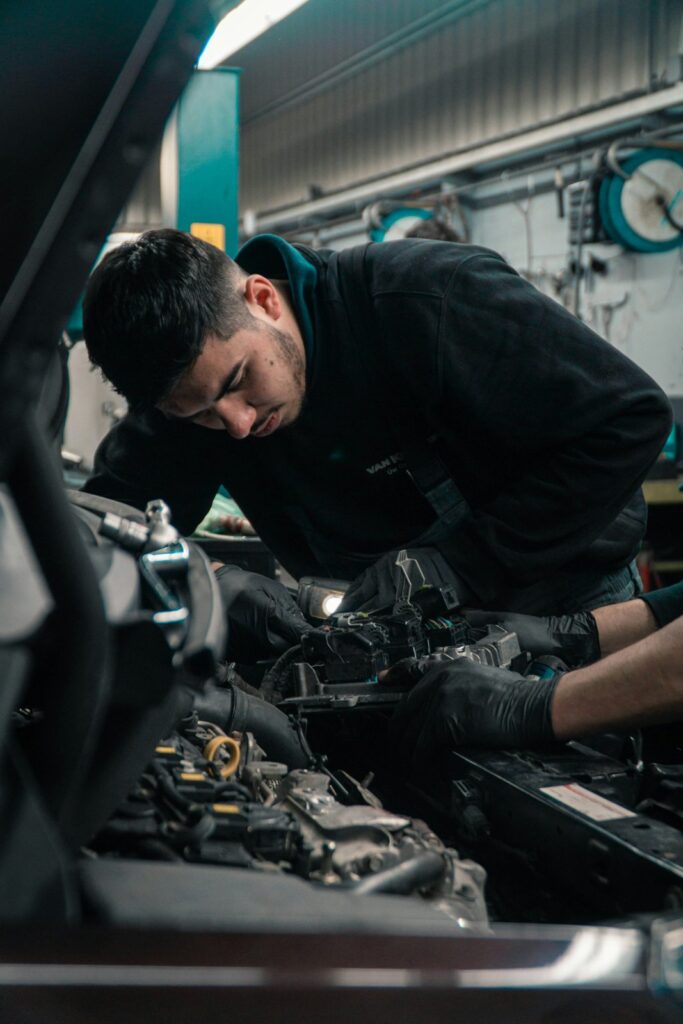
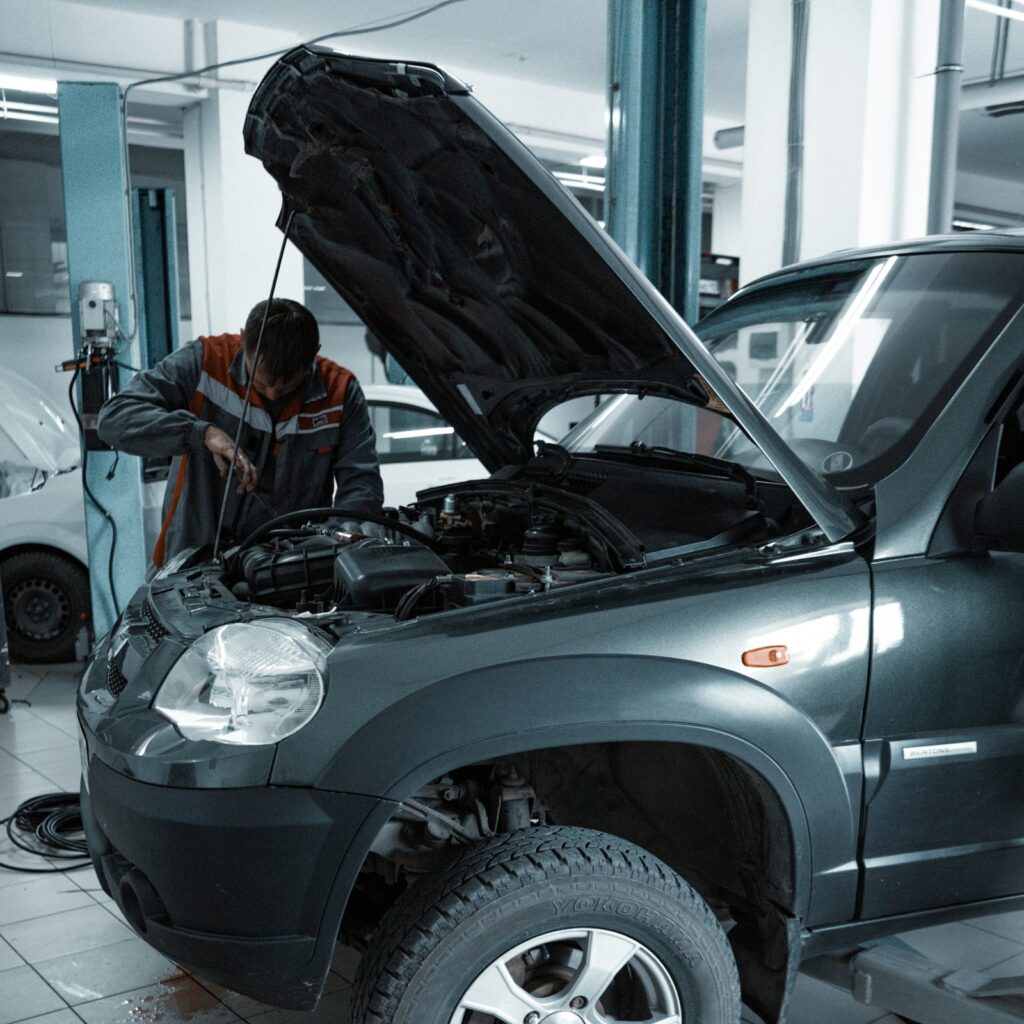
An independent inspection gives you another perspective on a used car before the transaction is complete. Arrange it early enough that the findings can influence your decision rather than becoming information you receive after paying.
The FTC's dealer-buying guidance discusses getting an independent inspection, including for vehicles described as certified. Ask the mechanic what the inspection covers and request a written summary of any concerns.
Our suggested briefing gives the inspector the listing, history report, and questions raised by the test drive. Ask which issues need prompt attention and which need further diagnosis. A repair estimate can help frame the total cost, but it is not a guarantee about future reliability.
Review the findings without pressure from a countdown or competing-buyer claim. You can ask for clarification, revise the negotiation, or walk away. A clear inspection process is especially useful when you lack the experience to assess mechanical condition yourself.
Agree on the inspection’s scope
Before arranging an inspection, ask the mechanic what is included, how findings will be documented, and what limitations apply. Confirm that the seller will allow the process. An independent assessment is most useful when you understand which questions it can answer about the car.
A practical next step
Discuss anything specific that concerns you, including inconsistencies in service records or observations from a permitted test drive. Ask for a distinction between immediate concerns, routine maintenance, and issues needing further investigation. Use the written result to decide whether to proceed, negotiate, or keep looking.
Before making the decision, use the following points to identify missing information. Record an answer or a follow-up question for each one rather than treating an unknown detail as settled.
- Independent mechanic and agreed scope.
- Seller’s permission and logistics.
- Written findings and uncertainties.
- Costs or checks to consider before purchase.
Can an inspection guarantee that nothing will go wrong?
No. It is an assessment at a point in time with a defined scope. Ask about uncertainties and potential follow-up checks rather than demanding a promise no inspection can supply. Keep the findings with the vehicle information so the final decision reflects both the evidence and its limits.
Keep the decision in context
Keep the seller’s statements, written offer, history information, and independent findings separate but accessible together. Each provides a different kind of evidence. Ask for clarification when they conflict and leave unresolved details visible in your comparison. A well-presented listing or appealing payment does not replace understanding the vehicle and the complete transaction.