Build a Reliable Lunch Before Buying Another Diet Plan
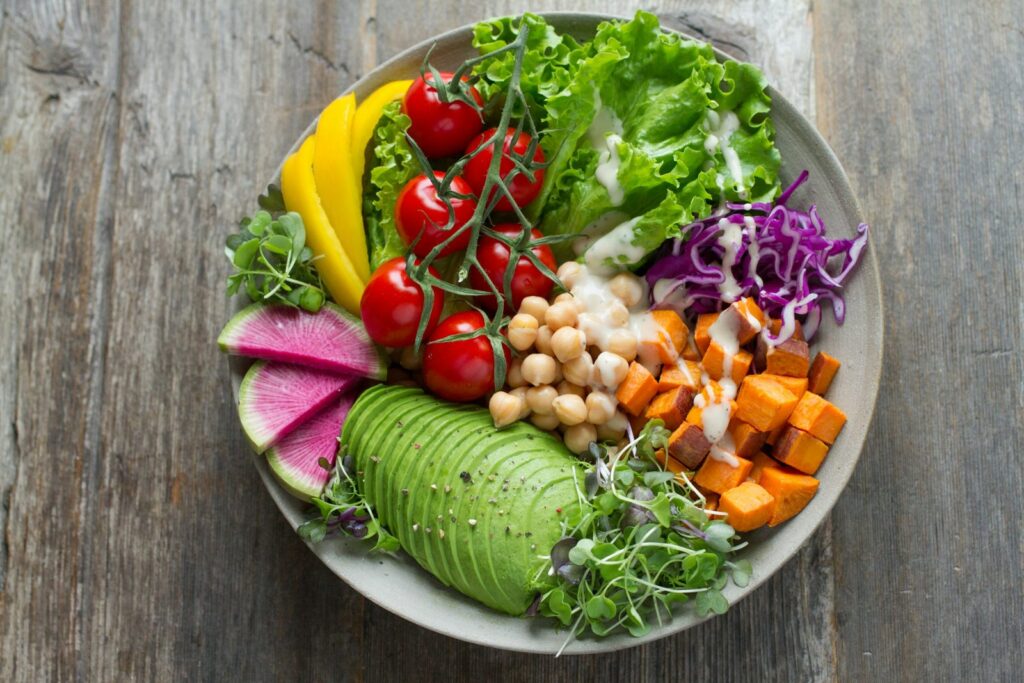
The hardest lunch decision often happens when you are already hungry. Having one dependable meal you can assemble quickly may be more useful than collecting ambitious recipes. Start with foods you enjoy and can realistically keep available.
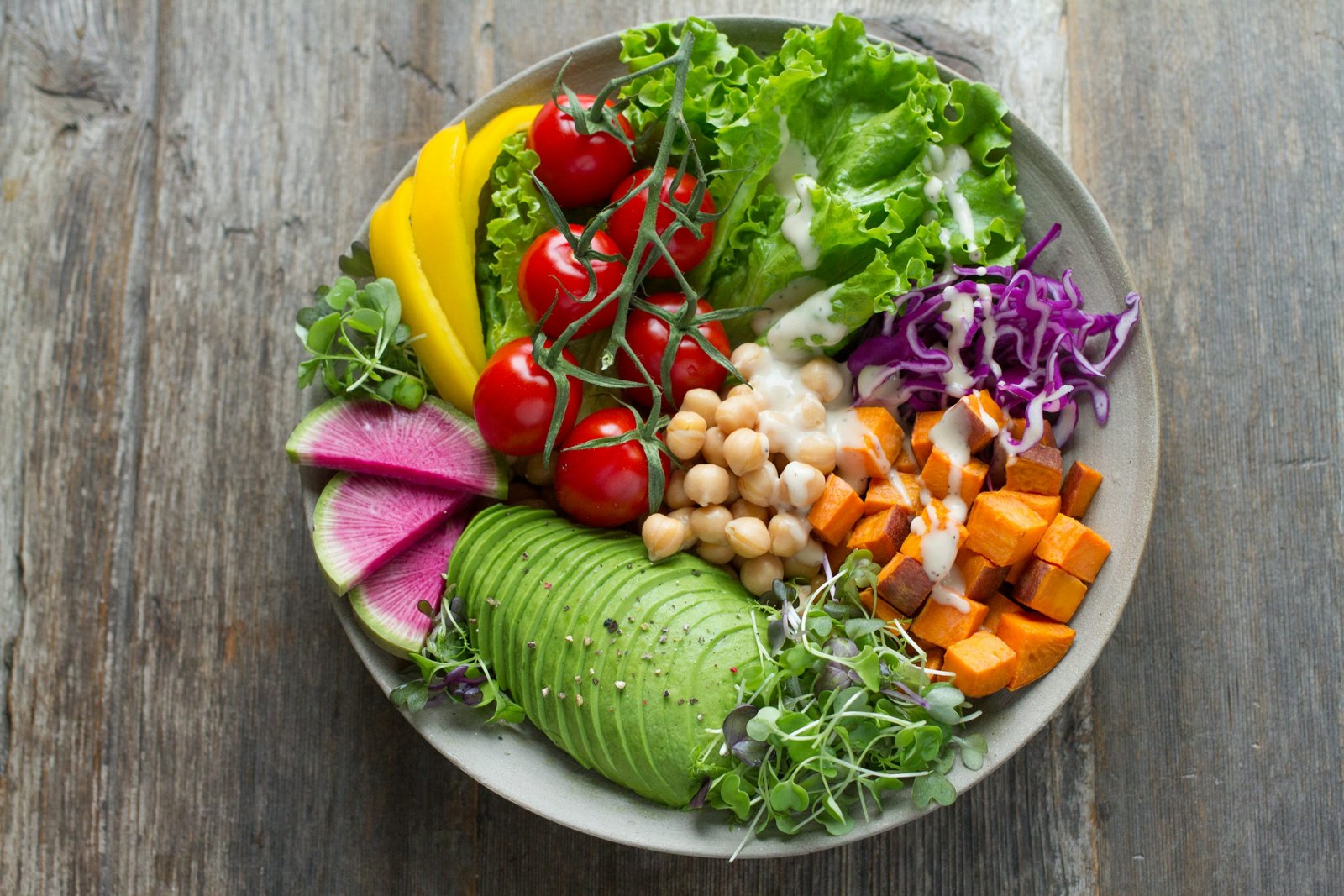
CDC healthy-eating guidance emphasizes variety across vegetables, fruit, protein foods, dairy, healthy fats, and whole grains. There is no need to copy a photograph exactly. Think about which food groups are missing from your usual lunch and make one practical adjustment.
For example, someone who normally buys a sandwich might bring fruit or vegetables alongside it. Someone eating leftovers might add beans or another suitable protein food. Work with your budget, cultural preferences, allergies, and household routines rather than treating one menu as universal.
Write a short shopping list for two or three repeatable lunches. Test whether they hold up on your busiest day before adding more options. A qualified dietitian or clinician can help tailor food choices when a medical condition requires a specific eating plan.
Build a lunch from familiar ingredients
Select a lunch you already enjoy and identify one addition or adjustment you can manage. Work with available ingredients, storage, and the time you have. A dependable meal is more useful than an elaborate plan that only works on a quiet day with a fully stocked kitchen.
A practical next step
Prepare what can safely be prepared ahead and check how the food will be stored until you eat. Keep a realistic fallback for a missed shopping trip. If you have an allergy or a prescribed eating plan, use the appropriate individualized guidance rather than copying a generic meal photograph.
Before making the decision, use the following points to identify missing information. Record an answer or a follow-up question for each one rather than treating an unknown detail as settled.
- Available ingredients and preferences.
- Preparation and safe storage needs.
- Suitable protein and produce options.
- Realistic fallback for busy days.
Does a reliable lunch have to be the same every day?
No. A repeatable framework can allow different ingredients you enjoy. Start with a few combinations and add variety when the routine works. Use what you actually eat to refine the shopping list, instead of buying ingredients solely because they look attractive in a recipe.
Keep the decision in context
Make changes around foods, time, storage, preferences, and resources you actually have. A workable routine should survive an ordinary busy day, not depend on ideal preparation. Review what you eat and use rather than judging the plan by a photograph. Allergies, medical eating plans, and persistent concerns deserve individualized advice from an appropriately qualified professional.
Source: CDC: Tips for Healthy Eating. This guide offers general information; individual health needs should be discussed with a qualified clinician.