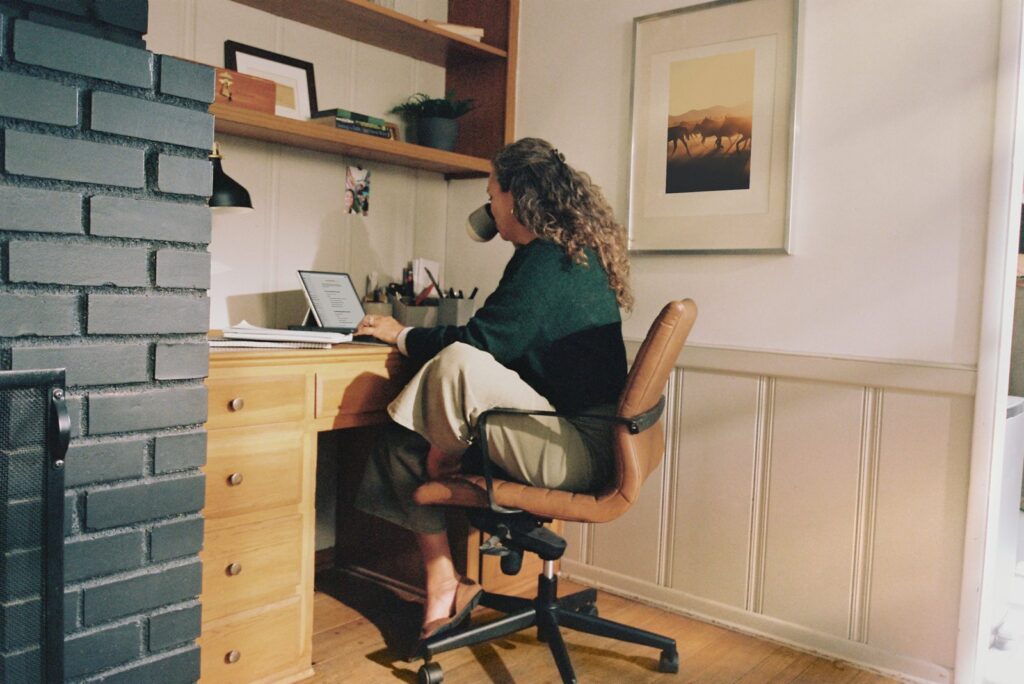
Starting Again Later in Life: Match Activity to Today’s Abilities

Returning to activity after a long break can feel discouraging if you compare yourself with an earlier version of your body. A useful starting point is what you can comfortably do now, not the routine you remember from years ago.
CDC guidance for older adults includes aerobic activity, muscle strengthening, and balance. These are different needs, so simply repeating one favorite activity may not cover everything. A clinician or appropriately qualified professional can help adapt a plan around your health and abilities.
Write down what you want daily life to become easier: walking to the shops, getting around the house, or enjoying time outdoors. Those aims can make a conversation about suitable activity more concrete than a general request to get fit.
Start conservatively after illness, injury, or a lengthy break, and review how the plan feels before increasing it. Ask about pain, dizziness, falls, or other concerns rather than assuming they are unavoidable signs of age. The goal is a sustainable routine that supports your own life.
Choose a daily-life goal you can describe
Instead of beginning with an old exercise target, describe an activity you would like daily life to include more comfortably. Bring that aim to a clinician or appropriately qualified professional when you need an adapted plan. It gives the discussion a practical purpose connected to your current abilities.
A practical next step
Ask how to begin, what to monitor, and when to review progress. Include any recent illness, injury, or concern about balance. The plan should explain how to adjust, not leave you guessing whether to push through a difficulty or stop entirely.
Before making the decision, use the following points to identify missing information. Record an answer or a follow-up question for each one rather than treating an unknown detail as settled.
- Meaningful daily-life activity.
- Current abilities and health concerns.
- Instructions for starting and adjusting.
- Professional support and review timing.
What if progress feels slower than I expected?
Use the review to discuss what you are noticing and whether the plan needs changing. Avoid comparing your starting point with another person’s routine or your own past performance. A suitable plan is one you understand and can follow in your present circumstances.
Keep the decision in context
Use the person’s current circumstances as the starting point. Age alone does not define a suitable activity, meal, or care plan, and different household members may need different support. Ask questions without making comparisons a measure of success. When a concern needs clinical assessment, use an individual appointment and a clear follow-up plan rather than a general household rule.
Source: CDC: Older Adults and Physical Activity. This guide offers general information; individual health needs should be discussed with a qualified clinician.