A Family Health Routine Can Leave Room for Different Needs
One household can include children, busy adults, and older relatives with very different needs. A shared routine can help, but a single set of rules is unlikely to suit everyone. Start with opportunities to eat, move, and spend time together rather than identical targets.
NIDDK provides separate healthy-living information for different stages of life. That is a useful reminder to consider age and circumstances when deciding what a household plan should look like. Food portions, activity choices, and clinical advice may differ between family members.
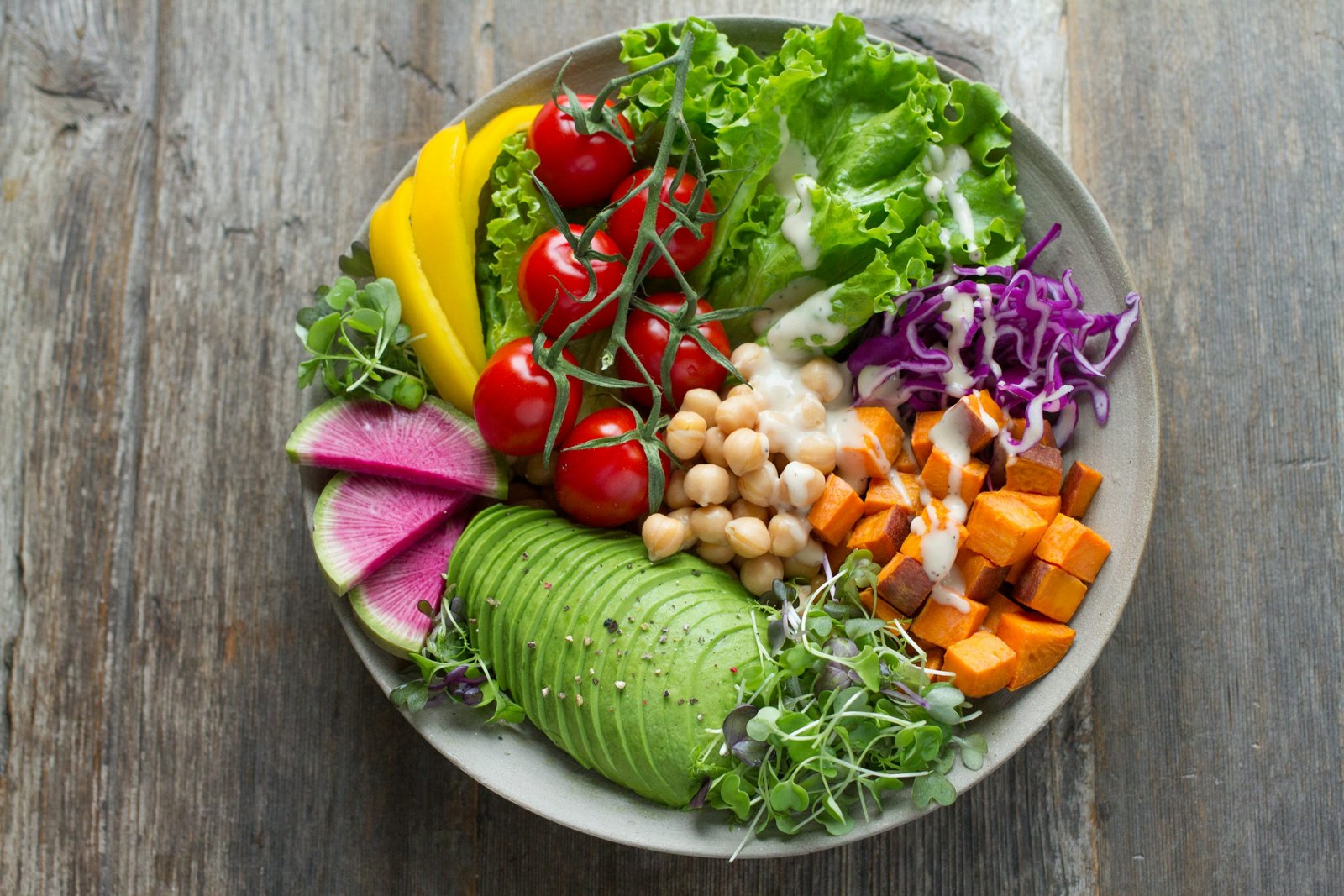
Choose one shared habit that is easy to adapt. For example, an outdoor outing could offer a short accessible route and a longer option. A meal can include familiar ingredients while allowing different portions and choices. Ask each person what would make participation easier.
Review the routine when school, work, caregiving, or health needs change. A plan that worked last year may need updating. Seek individual medical guidance where necessary, and keep family health conversations supportive rather than using comparison or pressure to enforce participation.
Create a shared outing with more than one option
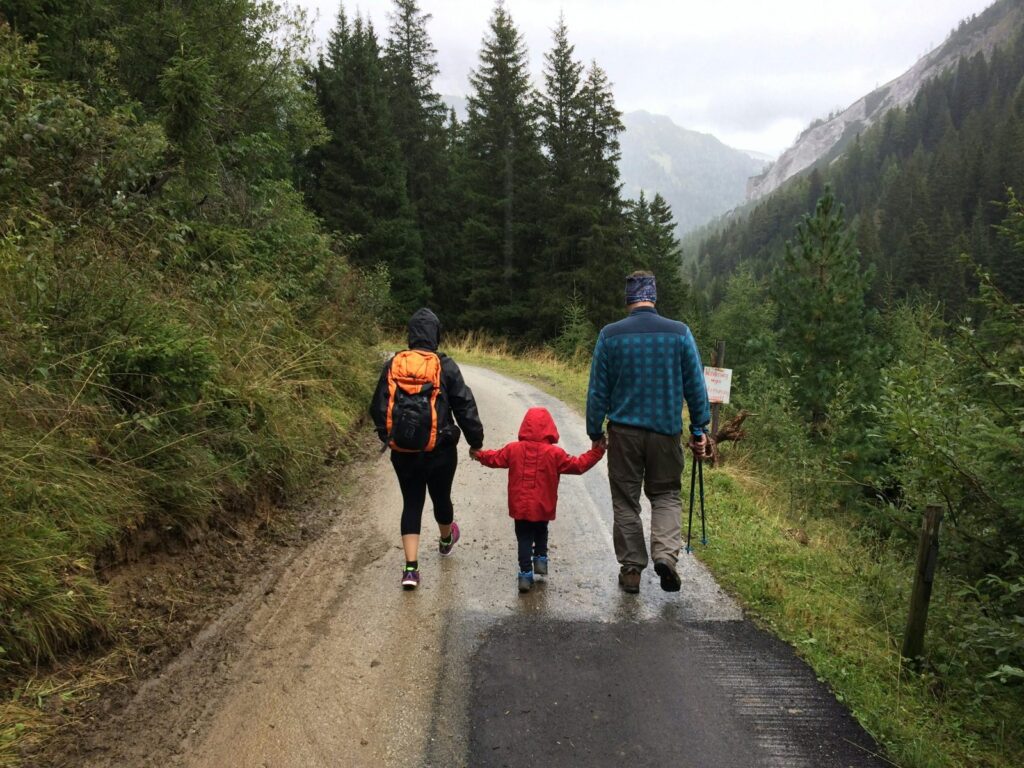
A family outing can offer a short accessible route and a longer option rather than expecting everyone to complete the same distance. Discuss choices before leaving so different needs do not become a surprise. Bring the practical items people need and agree on where the group will reconnect.
A practical next step
Apply the same flexibility to shared meals and routines. Ask what would make participation easier without turning the conversation into comparison between ages or bodies. Revisit the arrangement when work, school, caregiving, or health circumstances change. A household plan should adapt to its members.
Before making the decision, use the following points to identify missing information. Record an answer or a follow-up question for each one rather than treating an unknown detail as settled.
- Different route or activity options.
- Practical items and meeting point.
- Food preferences and individual needs.
- Changes in work, school, or health.
How can I encourage participation without pressure?
Offer choices and explain the shared purpose while allowing different ways to take part. Avoid treating one person’s preference as the standard for everyone. If medical needs affect the plan, obtain the appropriate individual advice instead of trying to settle those questions through a household rule.
Keep the decision in context
Use the person’s current circumstances as the starting point. Age alone does not define a suitable activity, meal, or care plan, and different household members may need different support. Ask questions without making comparisons a measure of success. When a concern needs clinical assessment, use an individual appointment and a clear follow-up plan rather than a general household rule.
Source: NIDDK: Healthy Eating and Physical Activity for Life. This guide offers general information; individual health needs should be discussed with a qualified clinician.